Boffa Miskell led the Landscape, Ecology, and Urban Design aspects of the project, working with the wider project team to restore and enhance ngaa mauri and te wairua of Te Puhinui Stream and give effect to the aspirations in Te Whakaoranga o Te Puhinui. This included providing access to quality natural environments and active-transport routes for local communities and the integration of mātauranga Māori into the design process and outcomes.
The restoration relies solely on nature-based erosion control methods, and no synthetic geotextiles or concrete were used. Stormwater pipes were daylighted before the main channel, and larger catchments were directed into constructed riparian wetlands before the stream. Before the project was fully constructed, the project team noted the arrival of mature koura (freshwater crayfish) within the newly restored stream sections, which typically prefer slower-flowing water, natural food sources, and the shelter of vegetation cover and woody debris. Tuna were already making a home in the stream, and ducks and poaka (pied stilt) had already fledged chicks in the constructed wetlands
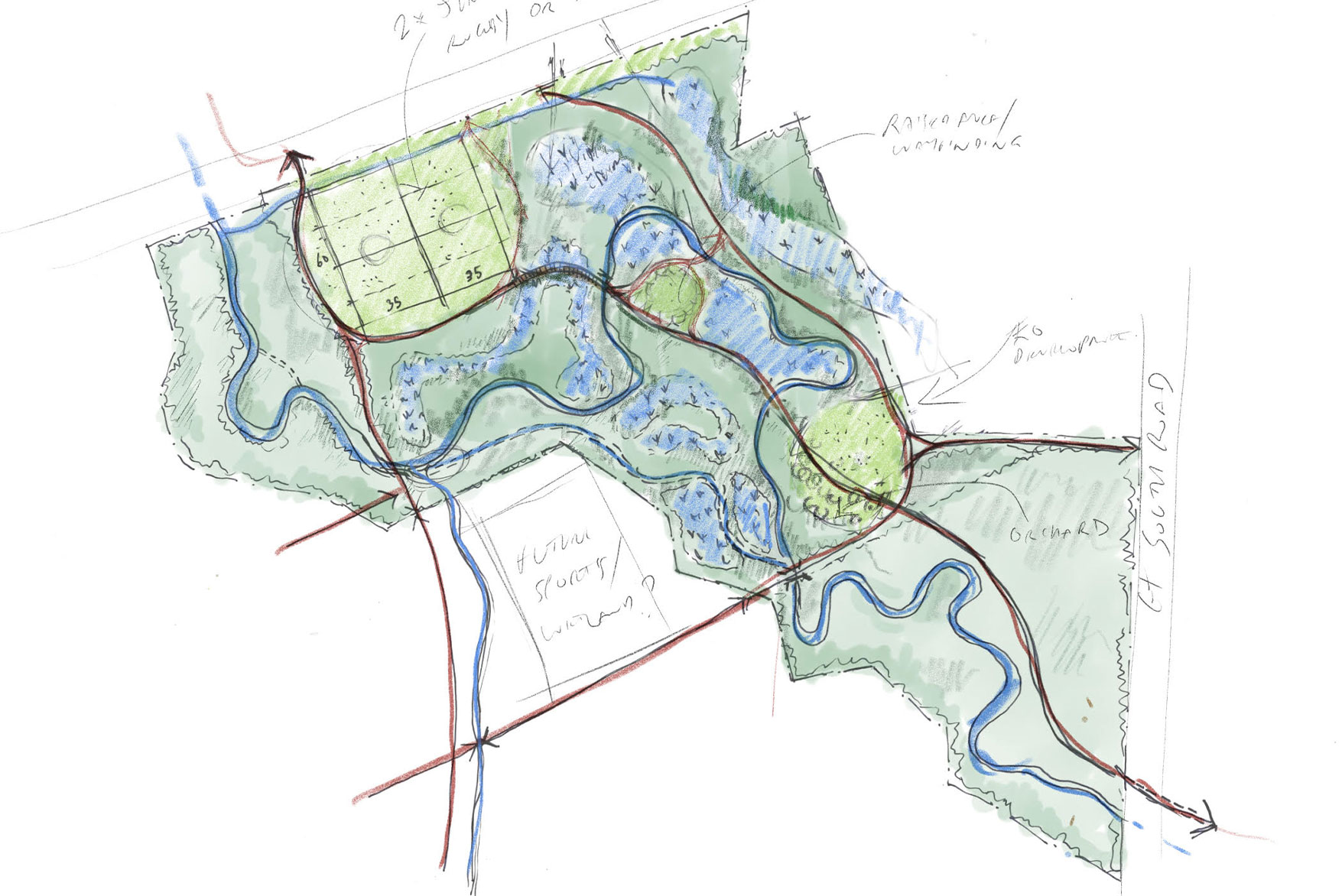
Stage 2 designs provide for the future construction downstream into the Te Whatu Ora land south of Kerrs Road. This will be the missing piece of Te Puhinui public reserves that extend from the headwaters in the Auckland Botanic Gardens to the Manukau Harbour. Here, the modified stream is realigned and lengthened by over 200 metres into a sinuous channel to remedy active erosion. The existing wetlands, historic oxbows, and floodplains are restored with over four hectares of native planting and a newly constructed 2,500m2 wetland providing additional habitat and in-stream water quality treatment.
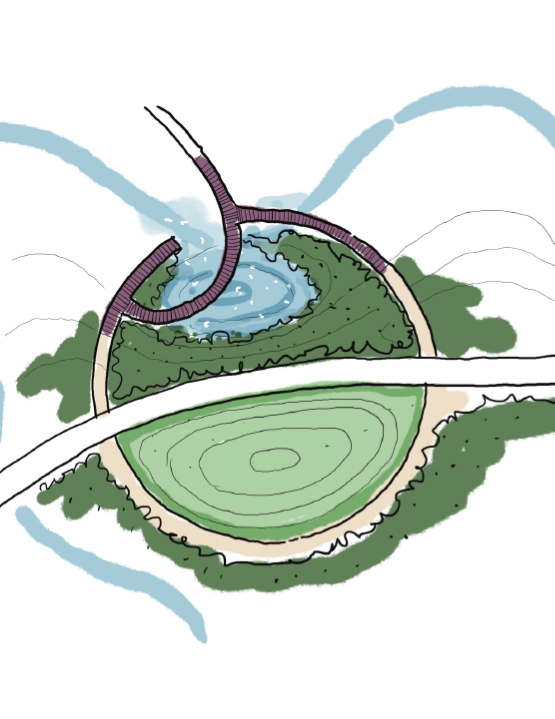
A universally accessible, high-standard shared path network now links SH1 and the Botanic Gardens to Wiri Reserve and Manukau town centre downstream. The network includes pedestrian crossings to connect isolated communities on either side of the stream, and large boardwalks spanning restored and existing stream and wetland environments.
The path connects immersive natural experiences across three different ecosystems te awa (the stream), te repo (the wetlands) and te ngahere (the forests). These experiences include taakaro taiao (natural and cultural play elements), mahi toi and cultural markers, and integrated Māori design, including interpretations of puraakau, and maramataka, working closely with nominated Māori artists and their design representatives.
Mana Whenua are active partners in the wider Te Whakaoranga o te Puhinui strategy since its inception as part of the Manukau Framework Plan 2017. A mana whenua working group of Te Aakitai Waiohua, Ngaati Te Ata, and Ngaati Tamaoho have attended hikoi, regular hui, and waananga at each design phase to provide design guidance.
The project team has proactively engaged with all key stakeholders through Te Whakaoranga o Te Puhinui's established relationships, Auckland Council officers, and local community representatives through workshops and onsite events. Collaboration took the form of multiple workshops, onsite events and dedicated meetings to gather thoughts, inputs, and key considerations.